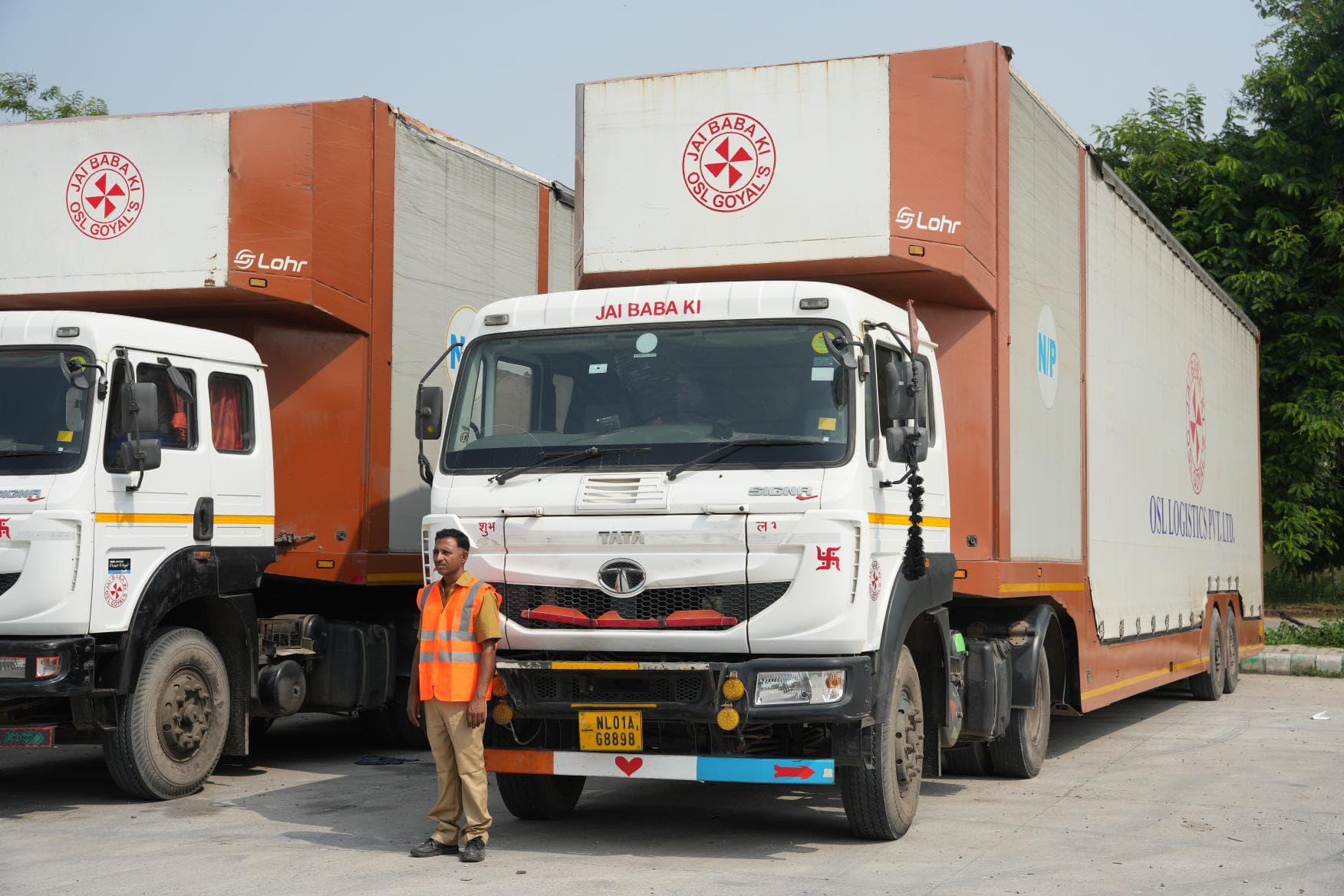
A car should be carried, never driven. That sounds like the most basic rule in vehicle transport, yet it is the one customers worry about most quietly. They hand over the keys and wonder, without saying it, whether anyone will take the car for a spin on the way. I want to deal with that worry directly, because it is a fair one and it has a clear answer.
In this post I will explain why unauthorised driving happens, how to check whether it happened to your car, and what a transporter should do to make sure it never does.
Why it happens and how to spot it
When a car is moved by a driver instead of being carried on a truck, or when a carrier operator treats the car as a convenient ride, the vehicle picks up kilometres nobody agreed to. Sometimes the car is used to reach a loading point. Sometimes it is used for a personal errand, or to carry someone's luggage or a passenger. The owner never sees it happen. They only see the evidence afterwards, if they know where to look.
The odometer is the first place to check. A car that has been loaded onto a carrier at one end and unloaded at the other should show almost the same reading at delivery as it did at pickup, apart from the few metres needed to drive it on and off. A reading that has moved noticeably is a red flag.
There are quieter signs as well. The fuel level may be lower than you left it, even though a car on a carrier burns nothing. The driver's seat, mirrors or steering position may have been adjusted. You may find dust or mud on the floor mats, or fresh grime in the wheel arches. The tyres may show wear that does not match your records. Small items such as receipts, bottles or new scratches around the driver's door can also tell a story.
None of these signs proves anything on its own. Together, they are worth taking seriously, and the only way to take them seriously is to have a record to compare against.
What to record at pickup
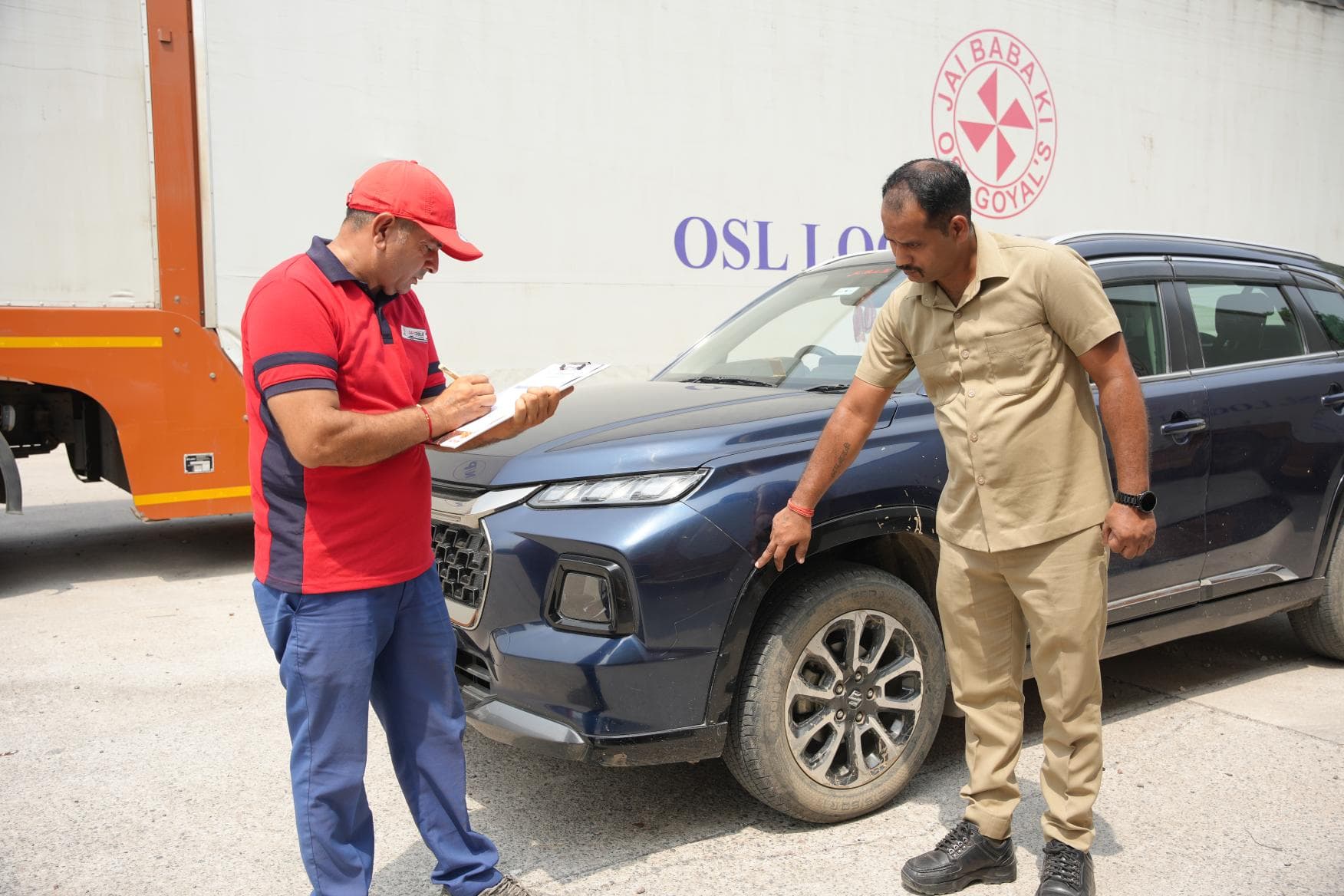
The protection starts before the car moves. At pickup, I want the following written down and photographed:
- The odometer reading, in a clear close-up photo of the instrument cluster
- The fuel level, in a photo of the gauge
- The position of seats and mirrors, in a quick photo of the cabin
- The overall condition of the exterior, with photos and video
- Any items inside the car, listed and photographed
The odometer and fuel photos matter most. They turn a vague suspicion into a clear comparison. If the reading at delivery differs, you are no longer arguing from memory. You are showing two photos taken days apart.
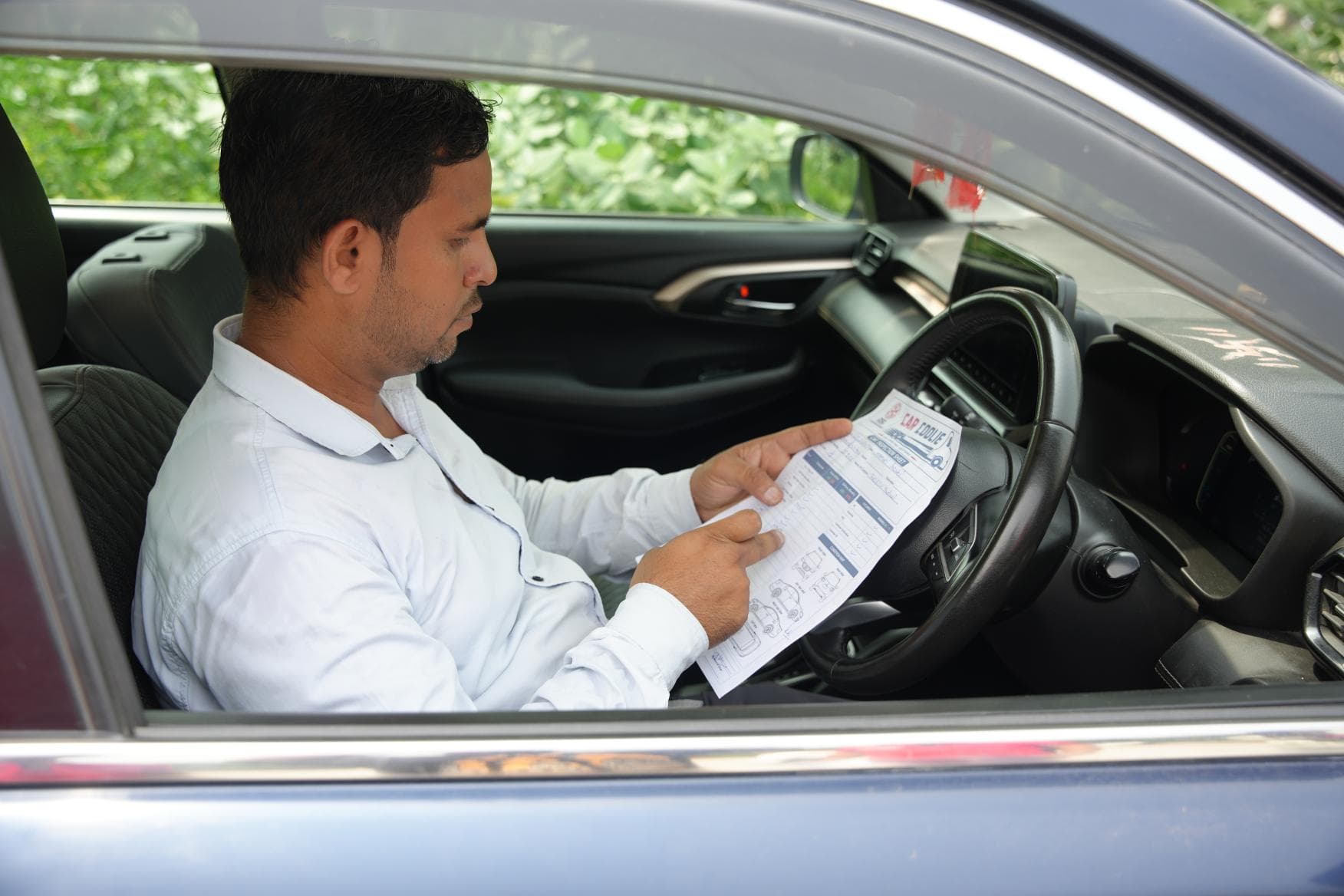
Ask for a copy of the written inspection report before the car leaves, and take your own photos as a backup. It takes five minutes. At Car Coolie, our pre-pickup inspection is documented with photos and video, and I treat the odometer and fuel records as part of that file. The customer signs off on it, and we use the same record at delivery.
How a transporter should prevent it
A record helps you prove a problem. Good operations prevent the problem from starting. These are the practices I look for, and the ones we follow.
First, the car is loaded onto an enclosed carrier and stays there until delivery. Nobody drives it between cities. Second, the people who load and unload are trained staff employed by the same company, working to set procedures, with no hand-offs to subcontractors who answer to nobody. Third, strict rules apply to the vehicle itself: no personal driving, no unauthorised passengers, and no luggage belonging to someone else loaded into your car. Fourth, GPS tracking follows the journey, so the movement of the carrier is visible, and a car that is supposed to be on a truck is not wandering.
The last piece is accountability. When one company handles the car from pickup to delivery, responsibility sits in one place. If something is wrong, you know who to call and who has to answer. When the work is split between operators, a question such as "who drove it?" can disappear between them.
If you are comparing providers, ask these questions directly. Will the car be driven at any point other than loading and unloading? Do you record the odometer and fuel level at pickup? Is the same reading checked at delivery? Who is responsible if the reading does not match? A confident answer, given quickly, is a good sign.
If the reading does not match, stay calm and act on the spot. Photograph the odometer and fuel gauge at delivery before you sign anything. Compare them with the pickup record. Note the difference on the delivery document and ask the provider to sign next to it. Then raise the matter in writing with the company.
If you cannot get a satisfactory response, the Department of Consumer Affairs runs the National Consumer Helpline on 1915, where you can register a grievance online, through an app or on WhatsApp. Your two photos and the signed delivery note are the evidence you would attach. Most customers will never need this step, but knowing it exists should make the whole handover easier to trust.
Trust is the real subject here. Handing over a car is an act of faith, and a transporter earns that faith by making its promises checkable. A reading on an odometer, a photo of a fuel gauge and a signature on a report are small things, and together they turn faith into proof.
If you want your car carried, never driven, request a free written quote from Car Coolie or message me on WhatsApp at +91 84479 90088. I will explain exactly how we record, protect and deliver your car.
CarCoolie Team
Logistics Experts
Practical guides and hard-won lessons on vehicle transport, written by the people who run the operation.