Every car we move at Car Coolie travels in an enclosed carrier. That is a deliberate choice, and customers often ask me why we made it. The short answer is that a car is expensive, and the road is rough on paint, glass and nerves. The longer answer is what this post is about.
Indians are buying more cars than ever. FADA reported that passenger vehicle retail reached 4,27,213 units in September 2026, up 32.10 percent year on year. Many of those buyers will move to a new city within a few years and face the same question: how do I get my car there without a mark on it? I will explain what an enclosed carrier does, who gains the most from one, and what to ask any provider that offers it.
What an enclosed carrier protects your car from
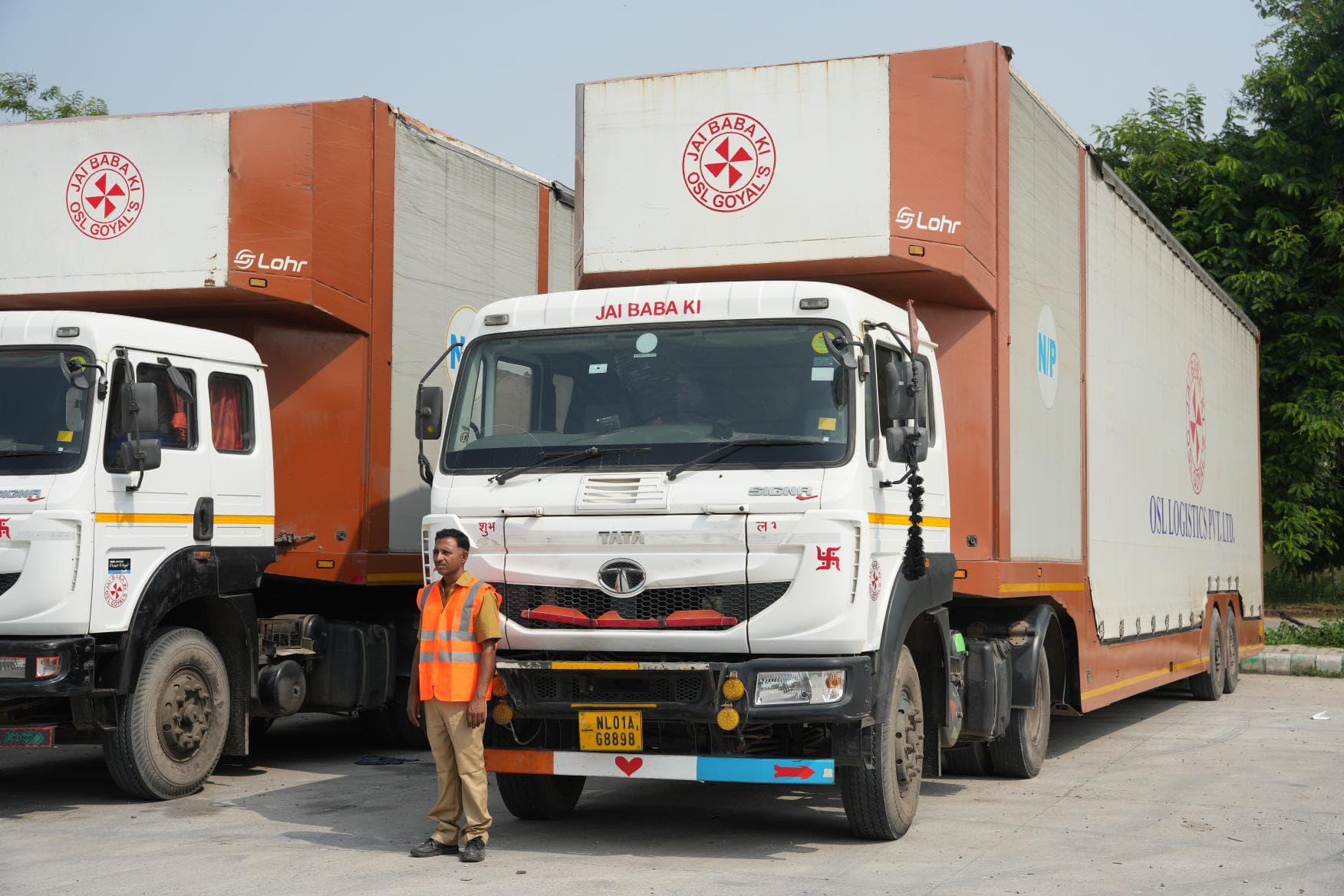
An enclosed carrier is a covered trailer with a roof and walls. The car sits inside, out of the weather and out of sight. Most car carriers you see on Indian highways are open, two-level trailers where every vehicle is exposed to everything the road throws at it. I think the difference is easiest to understand by walking through the journey.
Start with the sun. Days of direct heat on a long route are hard on paint, rubber seals and interiors. Then comes rain. A monsoon stretch can leave a car with water spots and grime that has to be cleaned off carefully, or it dulls the finish. Dust is the next problem. The truck ahead kicks up a cloud, and that fine grit settles into every panel gap and door seal.
The most expensive risk is road debris. A small stone thrown up by a passing vehicle can chip paint or crack a windshield, and on a route that covers hundreds of kilometres the odds climb. Inside a closed carrier, the car sits behind a wall, so stones hit the wall and not your bonnet.
Privacy and security matter too. A covered carrier keeps the car away from curious hands and phones. Nobody can open a door, lean on a bumper or photograph a car that is not theirs. For a new vehicle, a collector's piece or a high-value car, that is worth a great deal.
Who benefits most, and the myths I hear
Some people tell me enclosed transport is only for luxury cars. I disagree. A luxury car certainly deserves it, but so does the first new car a family has saved years to buy, and so does an older car that cannot be replaced. The question to ask is how much it would hurt to see a chip or scratch on arrival. If the answer is a lot, enclosed is the right choice.
Others say the cost is too high. I think of it differently. A repaint or a windshield replacement costs money and time, and neither brings back the feeling of picking up an unmarked car. A protected journey costs less than the stress of an exposed one. That is why I would rather take the extra care on every car than offer a cheaper option that leaves the car open to the road.
One of our customers, a private collector, shipped a vintage car from Delhi to Bangalore. He singled out the enclosed carrier and the GPS tracking in his feedback. I find that pairing telling. The carrier protects the car, and tracking shows you where it is at any moment. Owners of valuable cars want both and should expect both.
A few other situations make enclosed transport especially sensible. A new car that has just been delivered and has barely been driven. A long route that crosses several weather zones. A move in or near the rainy season. A car that you plan to sell or show soon after arrival. Families moving more than one vehicle can also ask us about a dedicated carrier, which keeps the cars together on one schedule with one point of contact.
What to ask any provider before you book
Not every closed carrier is the same, and the label alone does not guarantee a good journey. Here are the questions I would ask.
- Is the carrier fully enclosed, with a roof and side walls?
- How is the car secured inside, and who loads it?
- Is there enough clearance for a low or modified car?
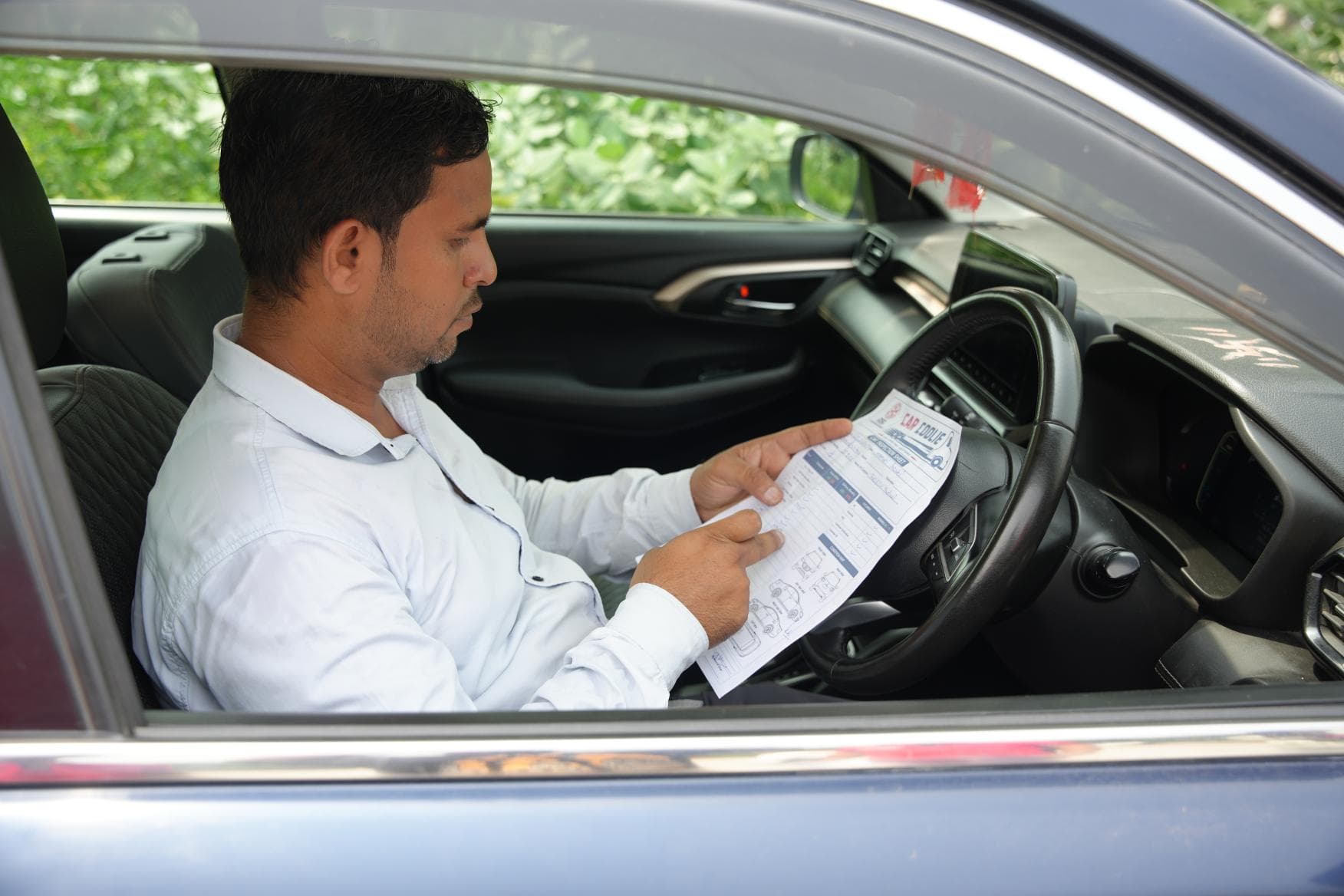
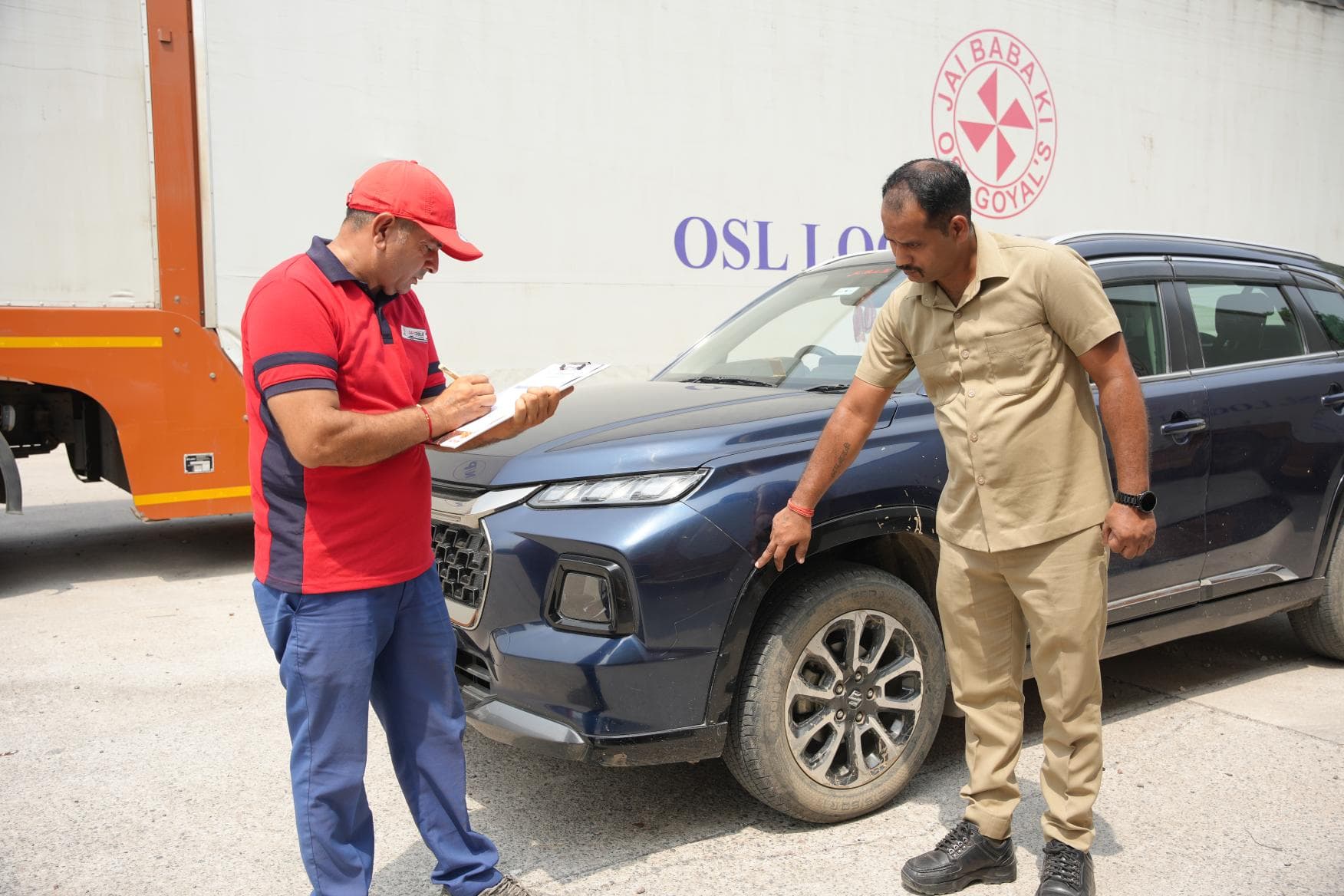
- Will the car be inspected, photographed and filmed before loading?
- Can I track the carrier while it is on the road?
- Who do I call if I have a question halfway through?
These questions matter because protection is more than a roof. A good carrier still needs trained loading, a documented starting condition, GPS tracking and a team that picks up the phone. At Car Coolie, those come with every move. The enclosed carrier is the foundation, and the inspection, handling and communication are built on top of it.
Two small habits will help you whatever you choose. Wash the car before inspection, so every existing mark is visible and recorded. And check it against the pickup record when it arrives, in daylight, before you sign.
If you are planning to move a car and want it to arrive in the condition it left, request a free written quote from Car Coolie or message me on WhatsApp at +91 84479 90088. Tell me the make, model and route, and I will put the price in writing.
CarCoolie Team
Logistics Experts
Practical guides and hard-won lessons on vehicle transport, written by the people who run the operation.