What Is a Real-Time GPS Tracking System?
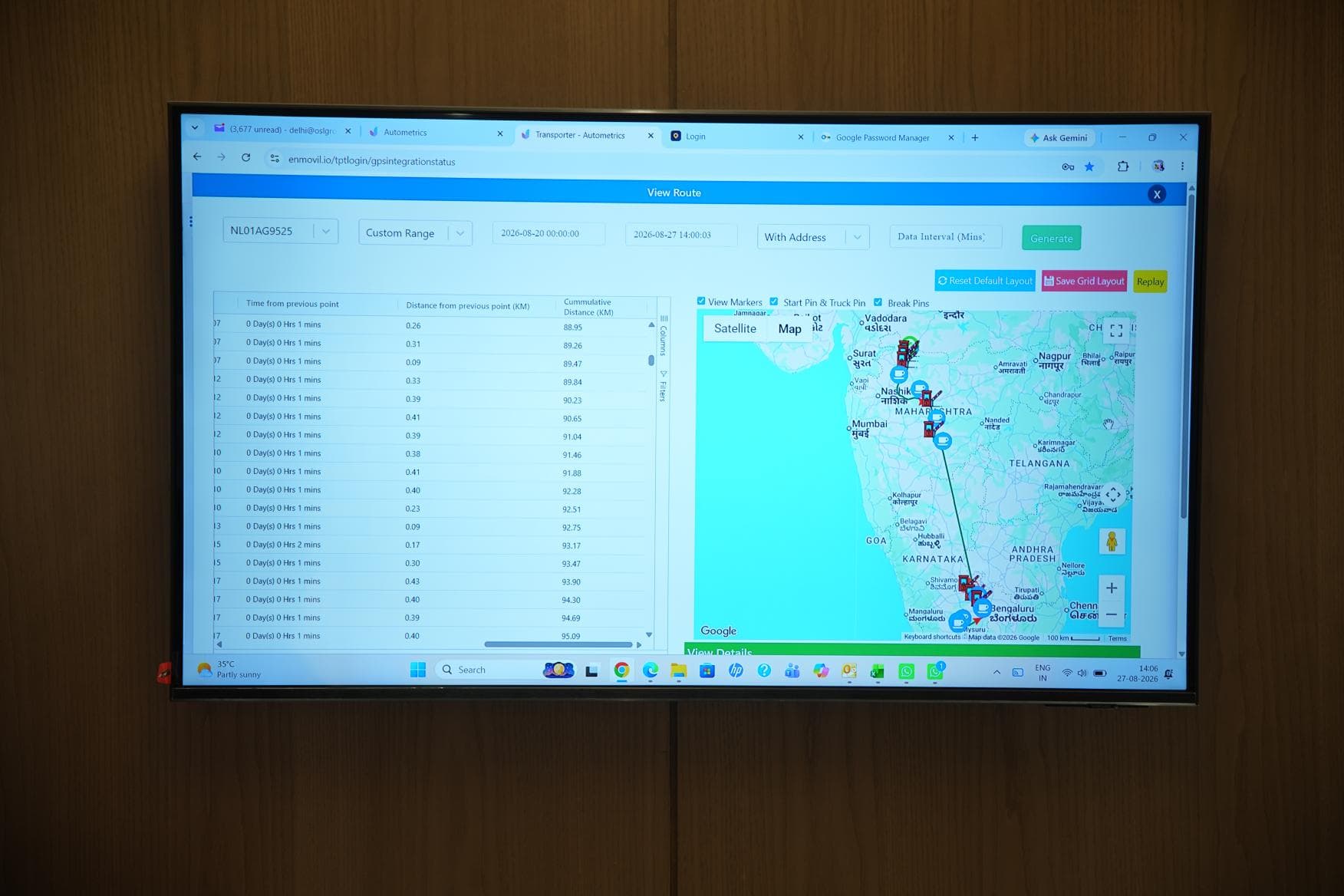
Real time GPS tracking system is designed to use satellite tech to track the location of the vehicle at any time.
The data is transferred to a central system, which allows the logistics teams as well as customers to check the location and status of the goods in real time.
To put it simply, it answers the question where exactly is the vehicle right now.
Why GPS Tracking Is Important in Logistics?
Understanding why GPS tracking is important helps explain its growing adoption in the logistics industry.
Here are the issues that happen when you do not track the vehicles:
- Limits the visibility
- There is uncertainty for the customers
- The delays become hard to manage
By adding a logistics GPS tracking system, companies can:
- Monitor shipments continuously
- Identify delays instantly
- Improve coordination across operations
The Role of GPS in Vehicle Tracking
The role of GPS in vehicle tracking is to provide more than location updates alone. It allows the business to control the operations in regard to the location of the vehicle and goods, which leads to better decision-making.
Real-Time Location Monitoring
A real time GPS tracking system provides live updates on vehicle location, helping teams track movement accurately.
Route Optimisation
GPS data helps identify the best routes, reducing travel time and fuel consumption.
Delay Management
If a vehicle is delayed, teams can act quickly and inform customers in advance.
Fleet Coordination
A logistics GPS tracking system allows better coordination between multiple vehicles and routes.
Benefits of GPS Vehicle Tracking
There are several benefits of GPS vehicle tracking that directly impact logistics performance.
- Improved Delivery Times
- Enhanced Transparency
- Better Fleet Management
- Reduced Operational Costs
- Increased Security
Real-Time GPS Tracking in Logistics Operations
Let’s look at how real time GPS tracking in logistics is used in day-to-day operations:
- Shipment Tracking
- Driver Monitoring
- Delivery Updates
- Performance Analysis
How GPS Tracking Improves Customer Experience?
Customer expectations are changing rapidly today, with the demand for timely updates.
Here is how a real time GPS tracking system helps meet these expectations:
- Providing live tracking updates
- Reducing uncertainty
- Improving communication
- Building trust
Challenges Without GPS Tracking
- Lack of visibility
- Delayed response to problems
- Inefficient route planning
- Poor customer communication
Future of GPS Tracking in Logistics
The logistics business is growing with the tech that surrounds it, and GPS tracking is one of the many important steps that are helping the growth of businesses.
- More accurate tracking systems
- Integration with AI and automation
- Better predictive analytics
- Improved route optimisation
How Businesses Can Use GPS Tracking Effectively?
The businesses need to understand the following things to get the best out of their real time GPS tracking system.
- Invest in reliable tracking technology
- Train teams to use tracking data
- Monitor performance regularly
- Use insights for continuous improvement
Final Thoughts
The logistics industry is evolving rapidly, and technology is at the centre of this transformation.
From improving delivery times to enhancing transparency, the role of GPS in vehicle tracking is critical for modern logistics.
Companies that embrace real time GPS tracking in logistics will be better equipped to handle growing demands and deliver consistent results.
OSL Logistics
Content Team
Vehicle logistics guides, tips, and industry updates from the OSL / CarCoolie editorial team.